
Published September 2, 2025 | Source: Dental Tribune International / Omnipress
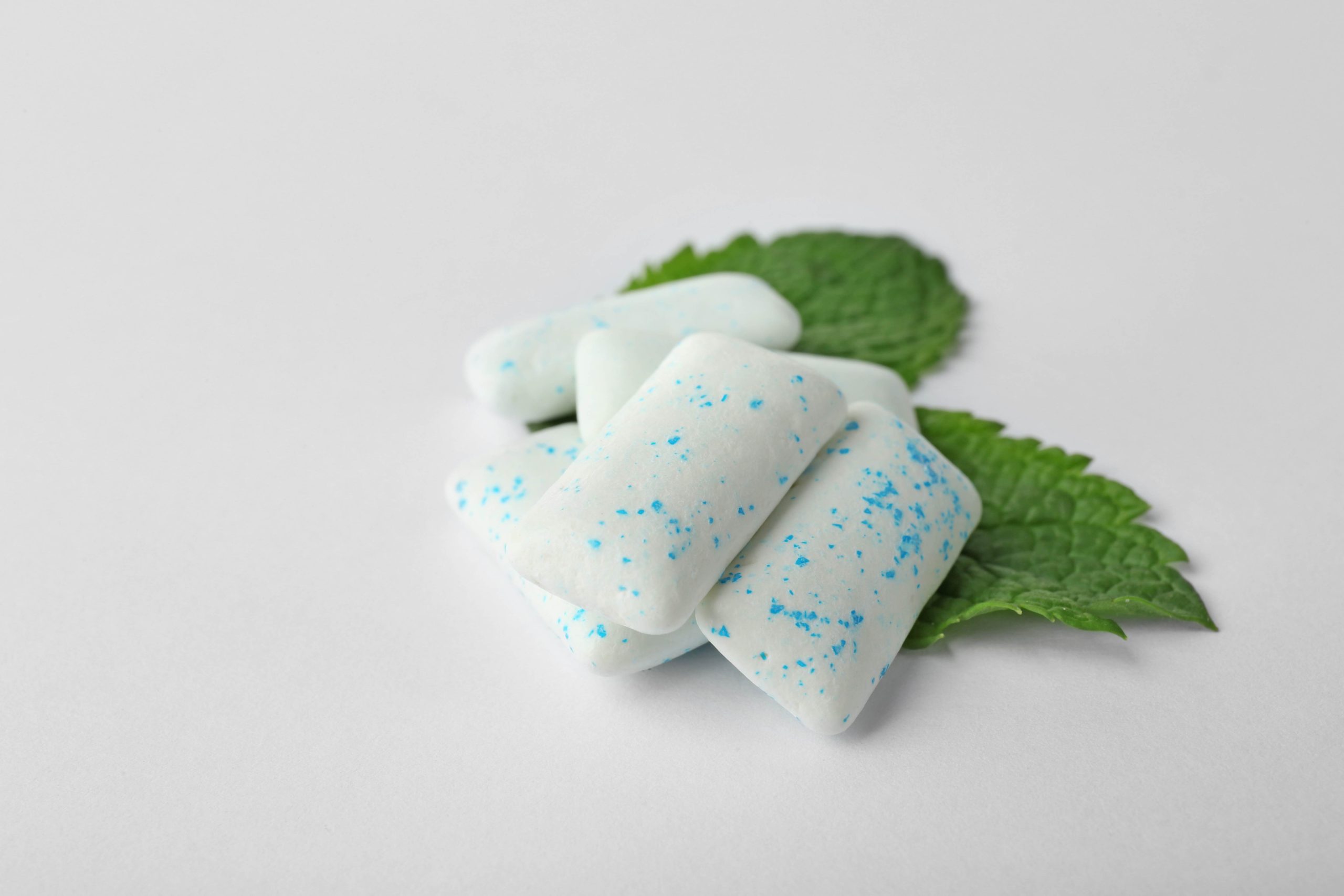
LONDON, UK – While chewing gum might not always be seen as the most polished habit, sugar-free gum has proven to offer significant benefits for both oral health and public health budgets. It’s well-known that chewing sugar-free gum stimulates saliva production, which helps neutralize plaque acids, supports tooth remineralization, and washes away harmful bacteria like Streptococcus mutans.
Now, a new report from UK-based consultancy Frontier Economics highlights not only the health benefits but also the economic impact of regular sugar-free gum use, suggesting it could drastically reduce dental care costs on a national level.
According to the report, the average UK resident chews about 89 packs of sugar-free gum per year. While that may sound like a lot, it works out to fewer than three gums per day — less than the recommended amount to gain the full oral health benefits.
One major potential benefit:
Up to a 30% reduction in dental caries (tooth decay) with regular use.
If the entire target population in the UK chewed three pieces of sugar-free gum daily, the report estimates that the country could save around £388 million (€462 million) annually, mainly due to fewer dental appointments and treatments.
The benefits of sugar-free gum go far beyond oral health. The report notes that this simple preventive measure can positively impact overall public health by:
Because it’s easy to distribute and suitable for both children and adults, sugar-free gum is a cost-effective option for preventive health strategies. Importantly, it requires no upfront or ongoing public funding — just a shift in daily behavior.
Behavior Change is Key
While promising, the report emphasizes that the effectiveness of sugar-free gum depends on consistent use — ideally three times a day — and a willingness from individuals to purchase and use it regularly.
A recent study from China echoes the gum’s benefits but also sounds a note of caution. The researchers suggest sugar-free gum should be considered a complementary tool for preventing cavities, not a standalone solution.
They stress:
“Given the current prevalence of dental caries in China, authorities could consider sugar-free gum as a supplementary measure in caries prevention strategies. However, chewing gum cannot replace fundamental oral hygiene practices such as toothbrushing and flossing.”
Repost from https://www.dental–tribune.com/
Bottom line:
Chewing sugar-free gum is a simple, accessible habit that, when combined with good oral hygiene, can help protect your teeth and reduce the overall burden of dental disease. It’s a small change with big potential.

Your smile is your signature. We make sure it’s bright, healthy, and authentic just like you.
