
When dental plaque gradually accumulates and is later calcified into tartar it ill-affects both the teeth and the gums around them. The bacteria in the plaque, which the tartar prevents from being effectively removed by brushing, produce various toxins and acids. Over time, these acids cause tooth decay, which needs to be treated with a filling. However, the toxins begin to irritate the gums after only a few days, causing inflammation (sensitivity, bleeding, possible mild swelling, etc.).
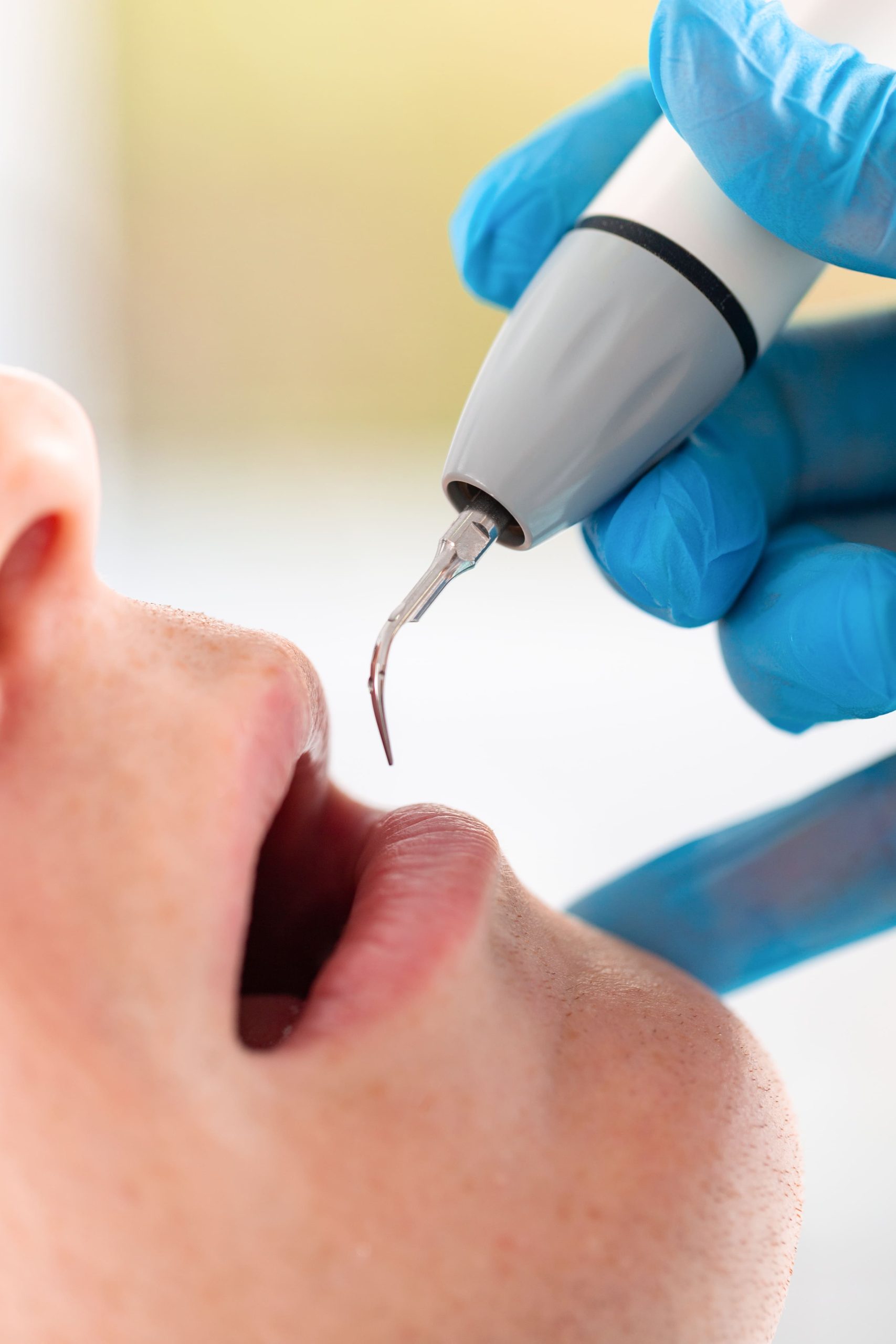
As long as this inflammation is limited to the gums, it is called gingivitis and is relatively easy to treat. The first step is the removal of the tartar and plaque by the dentist using special instruments, such as hand scalers and ultrasonic scalers. Afterwards the teeth and gums must be kept clean by the patient with careful brushing and possibly other cleaning methods at home, according to the dentist’s instructions. Without such maintenance the plaque will begin to accumulate again, and after a while the inflammation will reappear.
In some cases the inflammation is not limited to the gums but extends to the surrounding bone that supports the teeth. Gradually this bone is resorbed and the teeth lose their original stable support, leading to increased mobility and, over time, the risk of tooth loss. This condition is often accompanied by gum recession, which exposes the roots of the teeth, causing sensitivity, root decay, and aesthetic issues. This condition is called periodontitis.
The treatment for periodontitis requires multiple visits for deep cleaning of the gums, meticulous oral hygiene and regular follow-up checks. The dentist performs the clinical procedures in the surgery and also instructs the patient on how to achieve proper dental care at home.

Your smile is your signature. We make sure it’s bright, healthy, and authentic just like you.
