
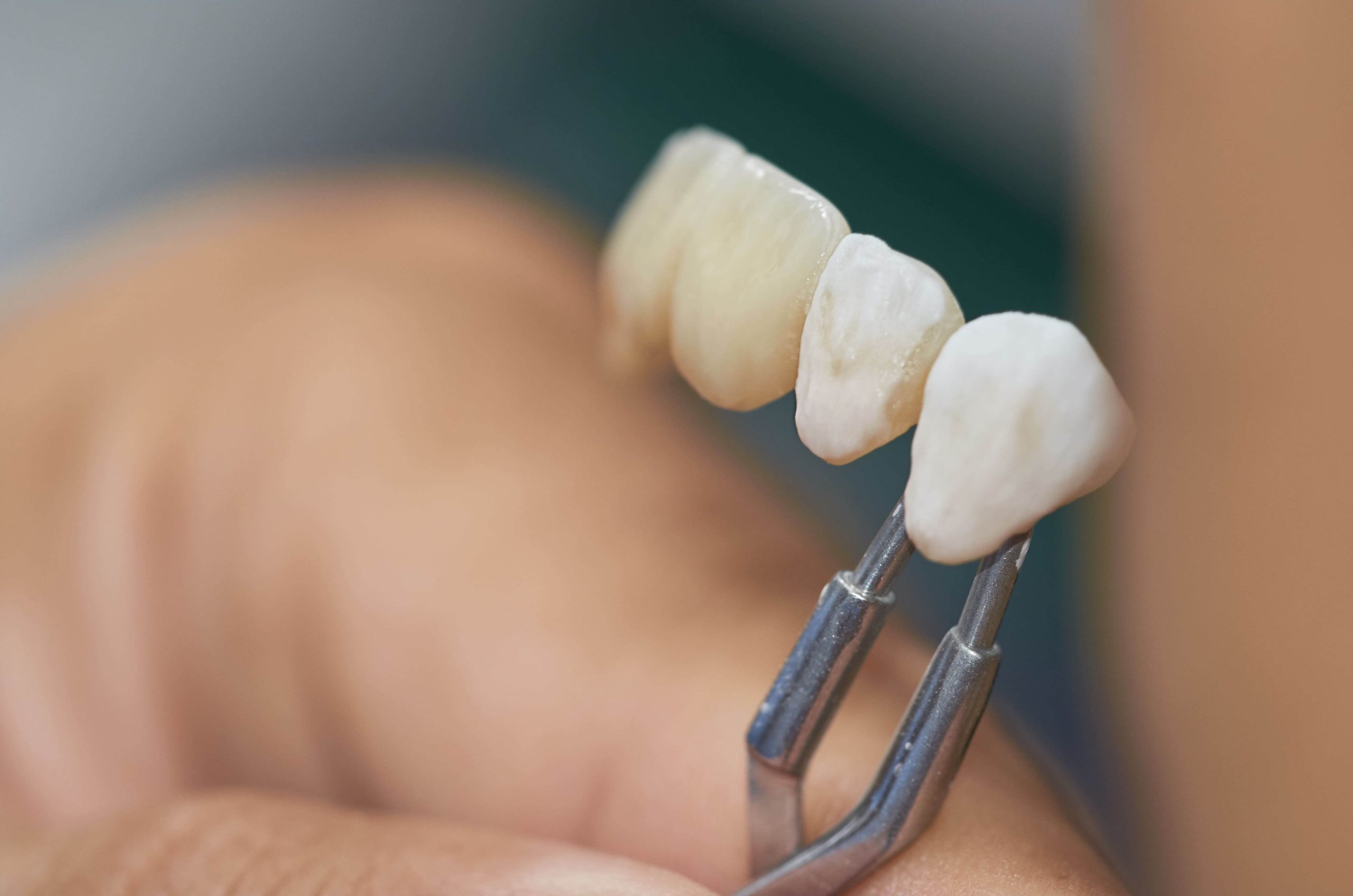
When one or more teeth are lost or need to be extracted, the resulting gap can often be restored with a dental bridge. The key requirement for this is that there must be healthy teeth with enough support from the underlying bone on both sides of the gap, so the bridge can be anchored securely.
To prepare for a bridge, the supporting teeth are carefully reshaped from all sides, and impressions are taken. These are sent to the dental lab where crowns (“caps”) are created, which are then connected to artificial teeth (called pontics) to form the bridge. The bridge is tested in the patient’s mouth and adjusted as needed to ensure it fits properly on the supporting teeth, aligns well with the opposing teeth, and looks natural. If everything checks out, the bridge is permanently bonded into place. After just a few hours, it can be used normally for chewing.
In a small percentage of cases, a bridge can be supported by just one side of the gap (called a cantilever bridge). However, in most cases, at least two teeth are used for support.
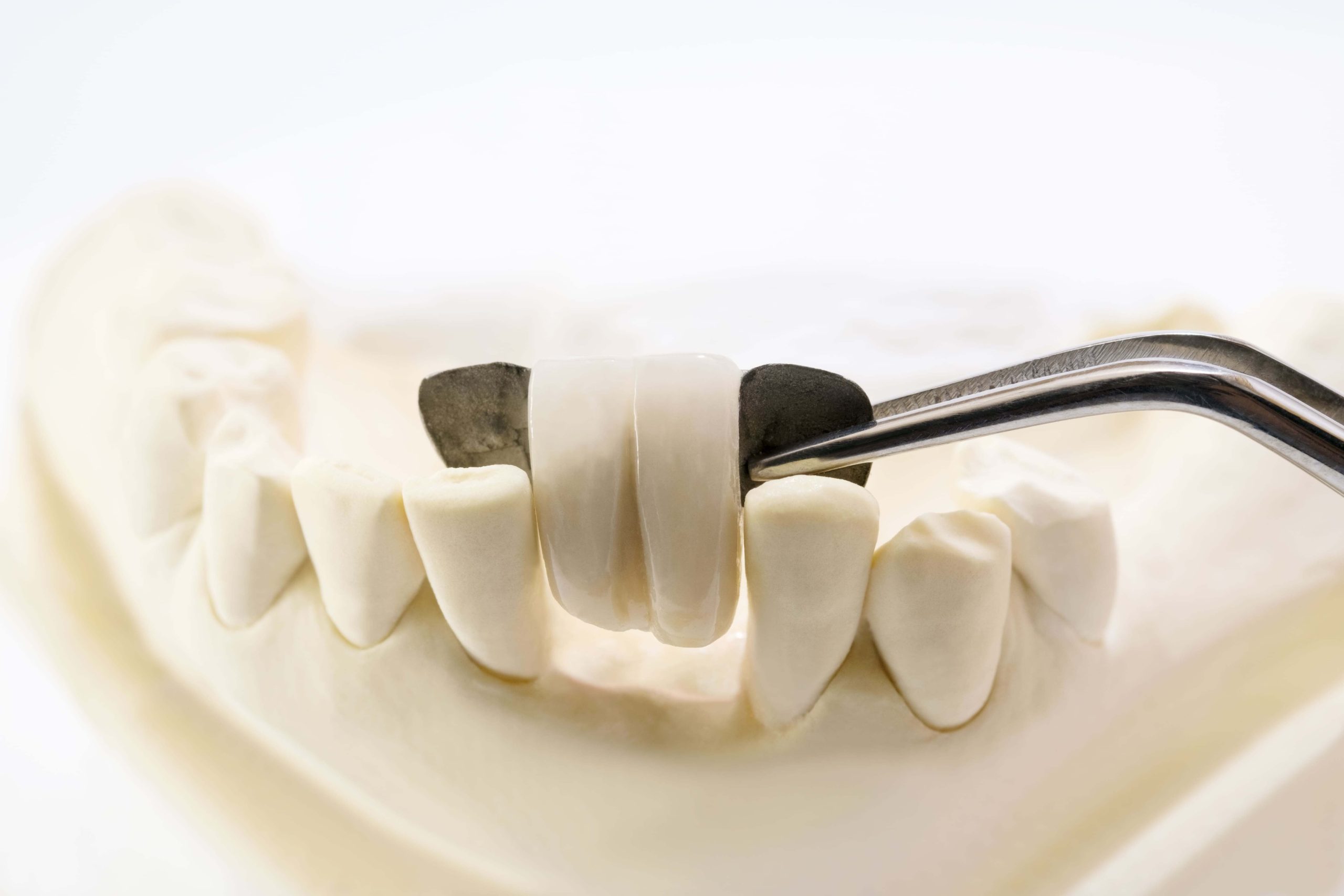
Additionally, in cases where only one tooth is missing — especially in the front of the mouth — the gap can be filled temporarily or permanently with a special type of bridge known as a Maryland bridge. For this restoration, the supporting teeth are minimally reshaped from the inside, and instead of full crowns, small wings are attached to the back of the teeth. The obvious advantage is that the supporting teeth are less altered compared to preparing them for crowns. However, Maryland bridges tend to have less retention compared to traditional bridges, meaning they may come loose more easily or require reattachment over time.

Your smile is your signature. We make sure it’s bright, healthy, and authentic just like you.
